Cocoa
2026-01-22 · 8 min read
Fine Flavour Cacao Indonesia
The varietal contributes, but the flavour a chocolate maker tastes comes largely from what happens between harvest and drying. Under-fermented beans taste flat; over-fermented beans taste hammy. Getting it right is a small-batch discipline, not something a high-volume line can repeat at scale. That is why our cacao is fermented in shallow wooden boxes in small batches and dried slowly on raised beds. Ask any supplier how many days they ferment, in what, and how they turn the mass — the answer tells you more than the word "fine-flavour" ever will.
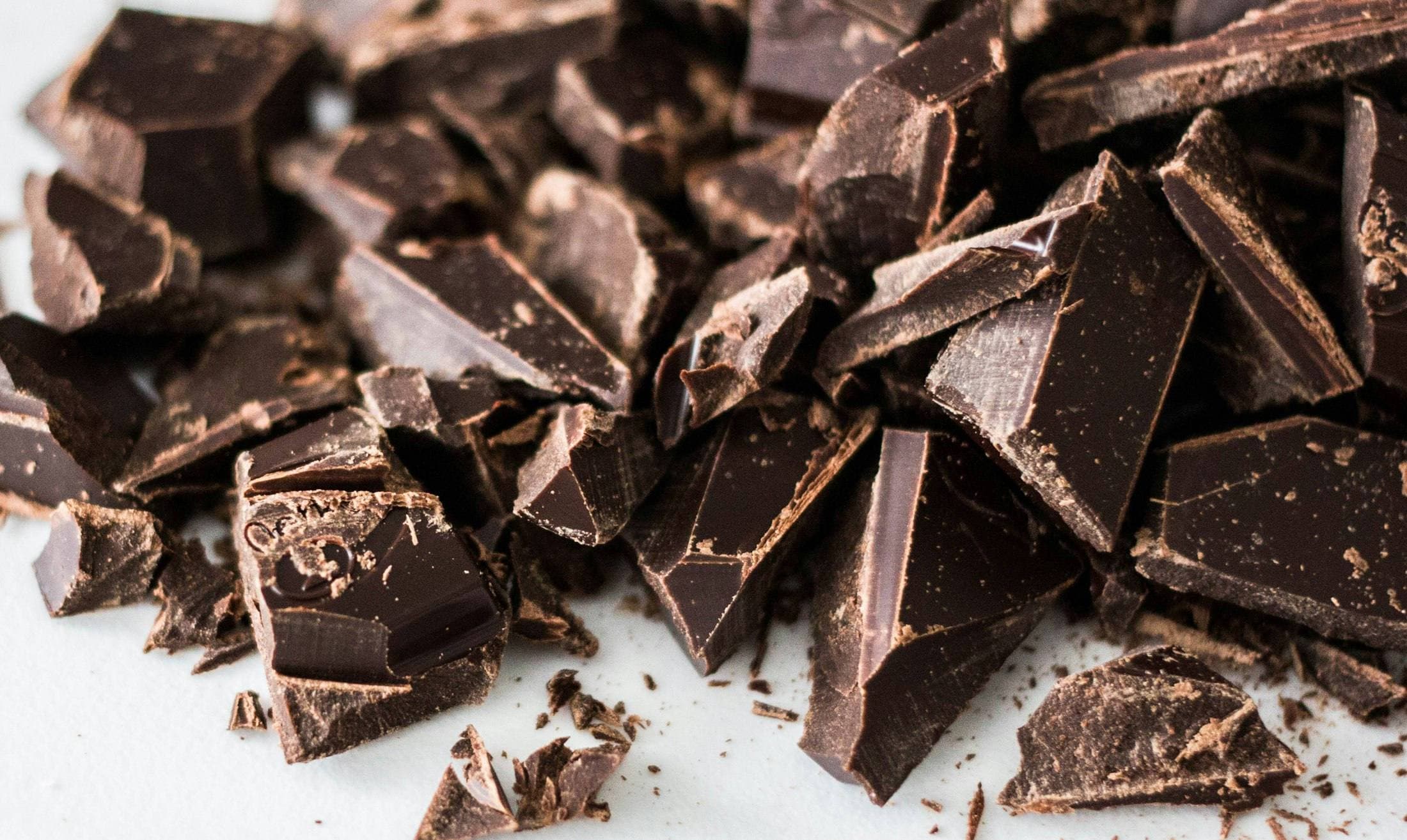
Fine-flavour is a process, not a claim
The varietal contributes, but the flavour a chocolate maker tastes comes largely from what happens between harvest and drying. Under-fermented beans taste flat; over-fermented beans taste hammy. Getting it right is a small-batch discipline, not something a high-volume line can repeat at scale.
That is why our cacao is fermented in shallow wooden boxes in small batches and dried slowly on raised beds. Ask any supplier how many days they ferment, in what, and how they turn the mass — the answer tells you more than the word "fine-flavour" ever will.
Reading a cut test
A cut test is the physical snapshot of a fermented lot. Cut 100 beans lengthwise and count the fully brown samples: this tells you how evenly fermentation carried. A high proportion of slaty or violet beans means uneven processing that will show up as bitterness or lack of development in the chocolate.
The specifications to put in writing
Before sampling, agree a spec so evaluation is objective. A good starting spec looks like this.
- Bean count of 85-105 per 100 g for fine-flavour lots
- Cut test with fully fermented beans above 80%
- Moisture held at 7-7.5% for safe shipment
- Zero surface-mould tolerance in finished lots
- Fermentation over 5-7 days with documented turning
What organic and fine-flavour pricing means
Fine-flavour and organic cacao each command a premium over bulk, and the two premiums stack. A maker should expect to pay more than exchange-comparable cocoa and should understand that the premium funds the slower, smaller-batch work that creates the flavour they commission.
Traceability matters differently here: bean-to-bar makers often sell a single-origin story, so knowing the producing province — and being able to prove it — is part of the product itself. Our cocoa page lists the blocks behind our lots.
Questions to ask every cacao exporter
The best way to protect your chocolate program is to ask the same questions every time and compare answers.
- How many days is the fermentation, and at what ambient temperature?
- What is the average cut test and bean count of recent lots?
- Can you supply a sample from the exact lot number I will receive?
- Is the cocoa certified organic, and does the certificate cover this quantity?
- What is your moisture tolerance and mould protocol at pack?
Conclusion
Bean-to-bar buyers do not buy "cocoa"; they buy a specific, reproducible flavour. Ask for the cut test, the bean count and the fermentation detail, reserve an exact-lot sample, and work with an exporter who treats every batch as a signed lot. That is the standard behind our own fine-flavour program.
Related
FAQ
Buyers seeking fine-flavour character typically look for a cut test with fully fermented beans above 80%. Slaty or violet beans indicate under-fermentation and will show as bitterness.