Trade
2026-01-29 · 10 min read
Commodity Imports From Indonesia
Commodity trade is container trade, and for most products the natural minimum is a full 20-foot container. But Indonesian exporters often consolidate small lots, so a buyer testing a market can start smaller than a full load. Clarify from the start whether your MOQ is measured in tonnes, containers or mixedpallet — it changes the quote. At Halmahera we work with FOB and CIF arrangements and can consolidate across our four product families when a buyer is diversifying. That flexibility is common from Indonesian origin; the discipline is to get it in writing.
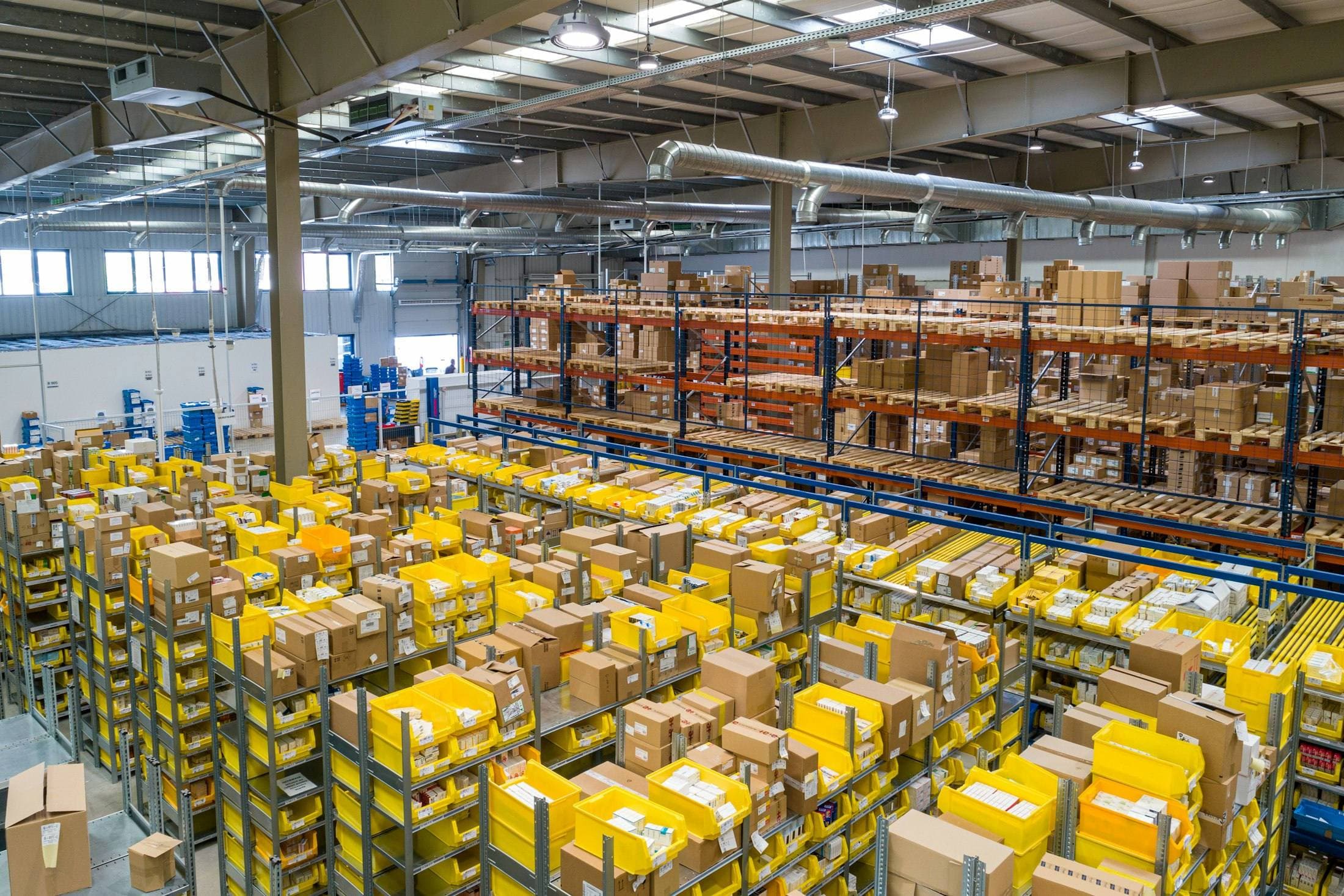
Minimum order quantities in practice
Commodity trade is container trade, and for most products the natural minimum is a full 20-foot container. But Indonesian exporters often consolidate small lots, so a buyer testing a market can start smaller than a full load. Clarify from the start whether your MOQ is measured in tonnes, containers or mixedpallet — it changes the quote.
At Halmahera we work with FOB and CIF arrangements and can consolidate across our four product families when a buyer is diversifying. That flexibility is common from Indonesian origin; the discipline is to get it in writing.
- Coffee: roughly 18-19 t per 20-foot container
- Spices: full containers, or consolidated mixed-pallet lots
- Coconut and cocoa: container-based, with sample lots available
- Mixed consolidations shrink MOQs for testing buyers
How long a shipment takes
Lead time has two parts: the time to pack and the time to ship. From a confirmed contract, Indonesian exporters typically deliver to port within the agreed packing window, and ocean transit then depends on your destination. Any exporter quoting a lead time should separate packing time from ocean time so the delay is never a surprise.
- Packing window from contract confirmation to ready at port
- Ocean transit varies by lane and service
- Documentation should be issued within days of loading
- Seasonal harvest windows affect availability of fresh lots
Payment terms buyers should expect
First transactions with a new Indonesian exporter commonly run on Telegraphic Transfer against documents, or a Letter of Credit for larger, repeat value. As the relationship becomes established, terms can move to open-account with agreed credit periods. Expect stricter terms on the first order and clearer terms as trust builds.
Whatever the method, the lot number, certificate and quality report travel with the documents. Never accept a payment flow where the product specification is not documented — the documentation is your recourse.
The documentation an importer should receive
A compliant Indonesian shipment is more than a bill of lading. These documents protect both sides and should be checked against the contract before funds clear.
- Commercial invoice and packing list
- Bill of lading and certificate of origin
- Quality or grading report per lot
- Phytosanitary and other export certificates as required
- Any organic or certification documents tied to the contract
Questions to settle before any contract
A short list of questions answered upfront prevents most disputes later.
- Is my quote FOB, CIF or something else — and to which port?
- Is the MOQ in containers, tonnes or pallets?
- What is the packing window versus ocean time?
- Which documents accompany the shipment?
- What payment security applies to this first order?
Conclusion
Importing from Indonesia is straightforward when minimums, lead times, payment and documentation are agreed before the first dollar moves. Find an exporter who puts those four answers in writing, and the logistics become the easy part of the relationship.
Related
FAQ
For most products the natural MOQ is a full 20-foot container (roughly 18-19 tonnes of green coffee, or a similar volume for spices and cocoa). Mixed consolidation can lower the MOQ for buyers testing a market.