Compliance
2026-02-05 · 8 min read
Certifications Traceability Indonesian Origin
The single most useful habit for an importer is to tie every certificate to a lot number. Organic, Rainforest Alliance and Fairtrade certifications all carry reference numbers, and each should match the quantity you are actually shipping. If the certificate does not map to the contract, the label is marketing. Our own lots are numbered per production block and tracked to the container, which is exactly what our sourcing page describes. Look for that same lot-level discipline in a supplier.
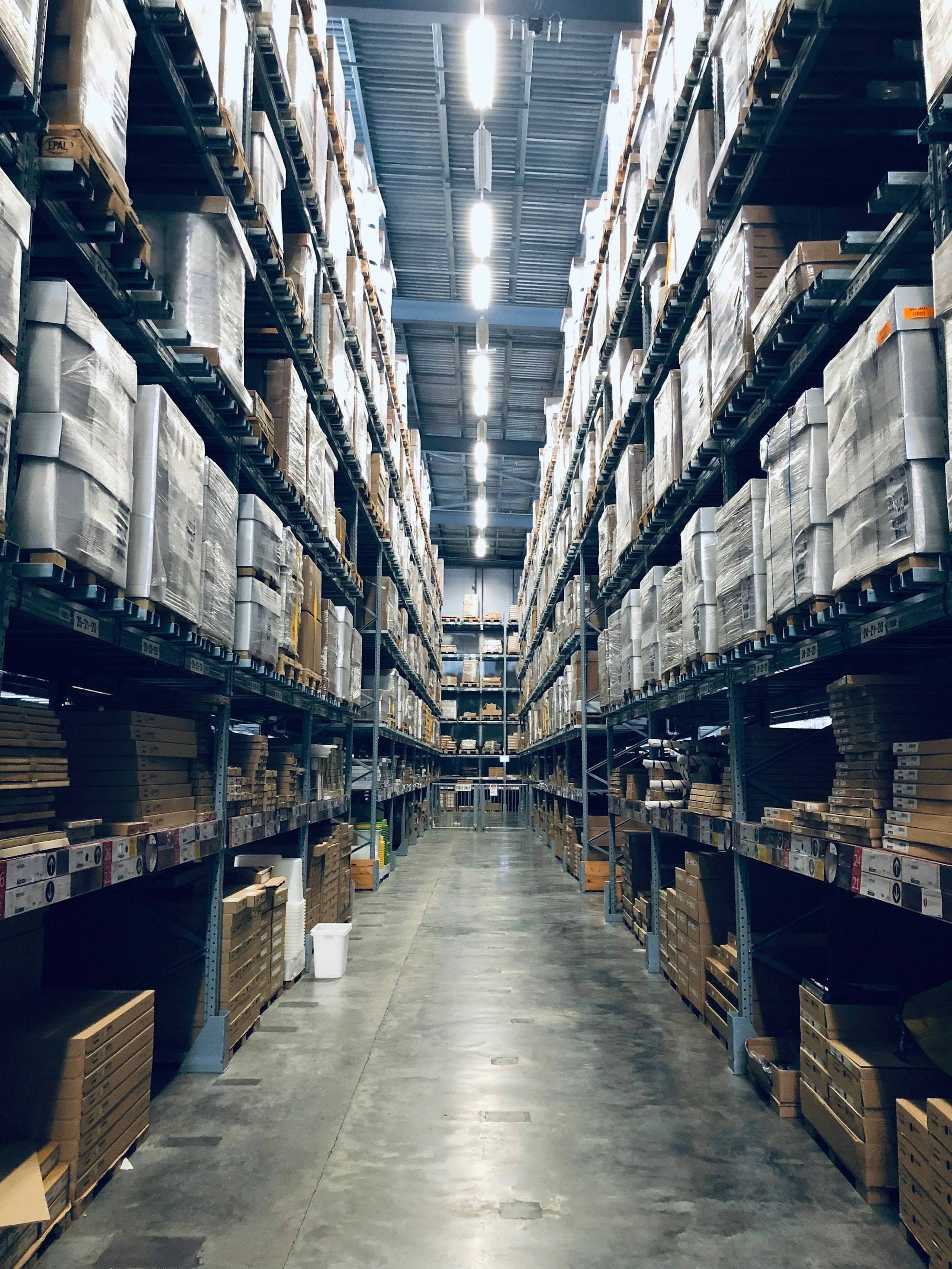
A certificate without a lot is a claim, not a fact
The single most useful habit for an importer is to tie every certificate to a lot number. Organic, Rainforest Alliance and Fairtrade certifications all carry reference numbers, and each should match the quantity you are actually shipping. If the certificate does not map to the contract, the label is marketing.
Our own lots are numbered per production block and tracked to the container, which is exactly what our sourcing page describes. Look for that same lot-level discipline in a supplier.
What you can verify without leaving your desk
Good news for importers: several checks need no factory visit. These lower your risk before any money moves.
- Confirm the certification body and certificate number are genuine
- Check the certified quantity against your contract volume
- Request the grading or quality report for the same lot number
- Verify the exporter is the named party on the documents
- Ask for a retained sample under the identical lot number
What real lot-level traceability looks like
Traceability is more than a barcode. A credible system links the field block, the collection point, the processing batch and the export container, so that any box you receive can be walked back to origin. If a supplier cannot name the producing area and the lot's route to port, traceability is a word, not a system.
At Halmahera that trail is central to how we work: farm IDs, harvest records, processing batches and sealed, numbered export bags all follow one lot number from the islands to your dock.
Certification premiums you should expect
Genuine certified lots carry a real premium because certification audits and segregated handling cost money. A certified lot priced the same as a bulk lot is either a bargain or a red flag. Understand the premium, budget for it, and insist the certification be documented in the shipment.
- Organic premiums reflect audit and segregation costs
- Rainforest Alliance and Fairtrade add traceability and community investment
- Multiple certifications stack (e.g. USDA and EU Organic)
- Unexpectedly cheap certified lots deserve extra scrutiny
Checks to build into your own process
Turn this into a repeatable gate so every order is reviewed the same way.
- Match certificate numbers to contract quantity on every order
- Retain a sample and the quality report under the lot number
- Verify documents arrive before funds release
- Audit the traceability claim on the first order and occasionally after
Conclusion
The safest way to buy certified Indonesian origin is to insist that every certificate maps to a specific, documented lot — and to make that verification part of your process before funds move. It protects your brand, your duty status and your story.
Related
FAQ
No. The certificate must be genuine and, critically, cover the exact contract quantity. A certificate that does not map to the shipped lot is not evidence of anything.